What If Everything You Were Told About the Bible Wasn't the Complete Truth?
Discover the hidden truth that transform ancient Scripture into your personal map for spiritual evolution.
The Bible isn't just history. It's not just a collection of ancient writings. It's the consciousness manual to spiritual transformation—and once you see it, you will never read Scripture the same.
Get Your Free eBook NowThe Problem With Traditional Bible Reading
CONFUSION
Contradictions. Impossible stories. Violence that doesn't align with a loving God. You've been told to "just have faith," but your mind keeps asking questions.
ISOLATION
Ancient events feel irrelevant to your modern life. You read about people from thousands of years ago and wonder, "What does this have to do with me?"
SEARCHING
You sense there's something deeper—a hidden wisdom that traditional interpretation misses. You're ready for the truth beneath the surface.
The Allegorical Key
In Galatians 4:24, Paul makes a stunning declaration: "These things are AN ALLEGORY."
Not "contain allegory." Not "have symbolic meaning." Paul explicitly states that foundational biblical stories ARE allegory.
- Adam & Eve weren't just the first man and woman—they represent the choice between Spirit and flesh consciousness
- Cain & Abel weren't just brothers in conflict—they're the eternal battle between flesh and Spirit within YOU
- Noah's Ark wasn't just a boat that saved them from the flood—it's the WORD that saves consciousness from chaos
- Moses didn't just lead Israel out of Egypt—he's the consciousness that liberates you from flesh-bondage
- Mary wasn't just the virgin mother of Jesus—she's the pure consciousness that brings forth the Son of God
Every event is a transformation process.
THE BIBLE IS YOUR STORY.
Start Your Journey of Revelation
Get instant access to "7 Misunderstood Bible Stories"
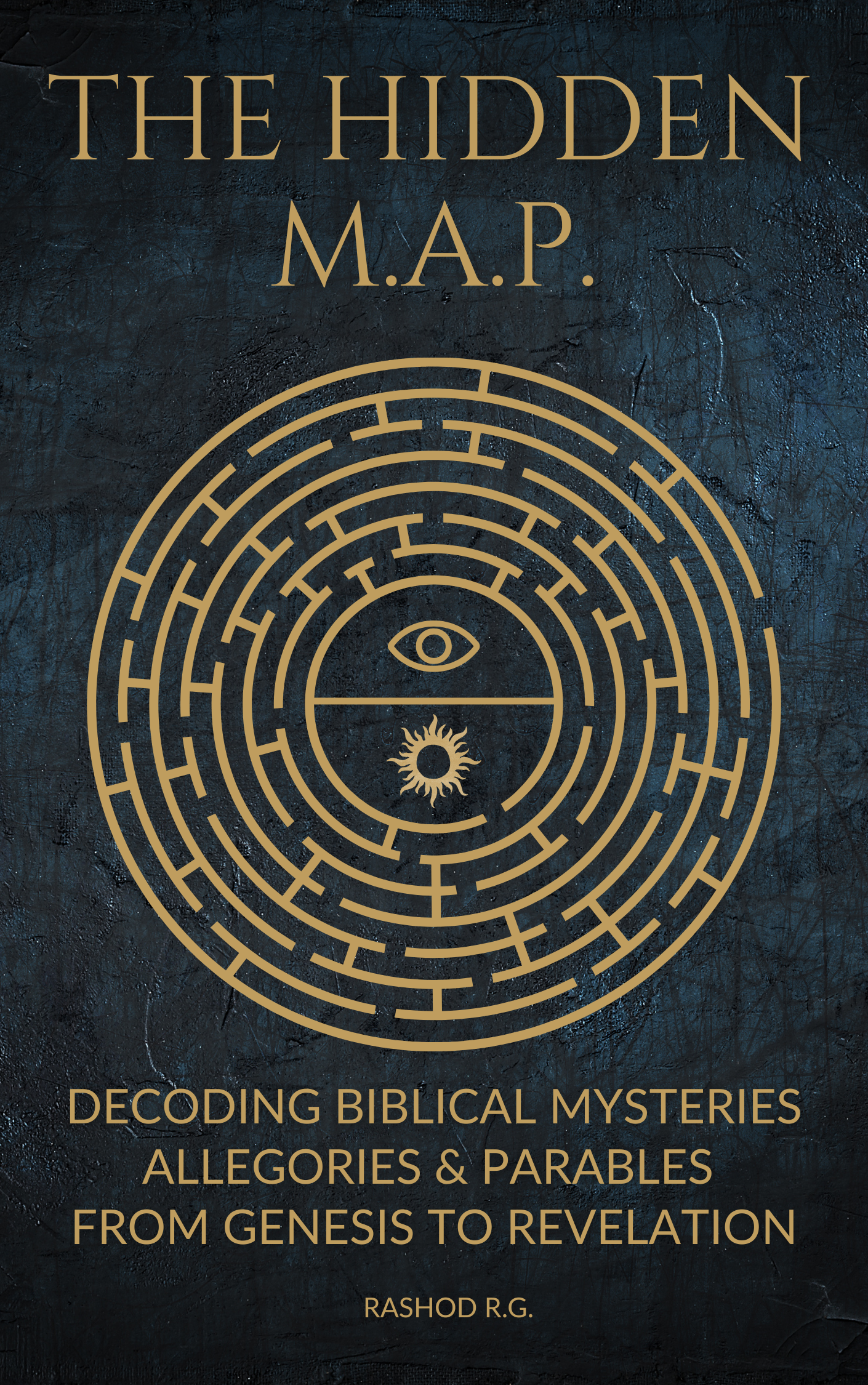
The Complete Transformation Series
Recommended Path: Start with "In His Image & Likeness" to understand your true spiritual identity, then explore the other titles to deepen your transformation.

Continue Your Journey


About Rightly Guided Ministries
